

Our mission
Bridging the gap between discovery and clinical application
The microbiome represents one of the most exciting frontiers in modern science. Our mission is to curate, connect and catalyse research that moves beyond correlation into actionable therapeutic insight.
By fostering cross-disciplinary collaboration, we help scientists and clinicians translate microbial complexity into human-health outcomes.
Featured Research & Latest News
Latest breakthroughs in microbiome studies.
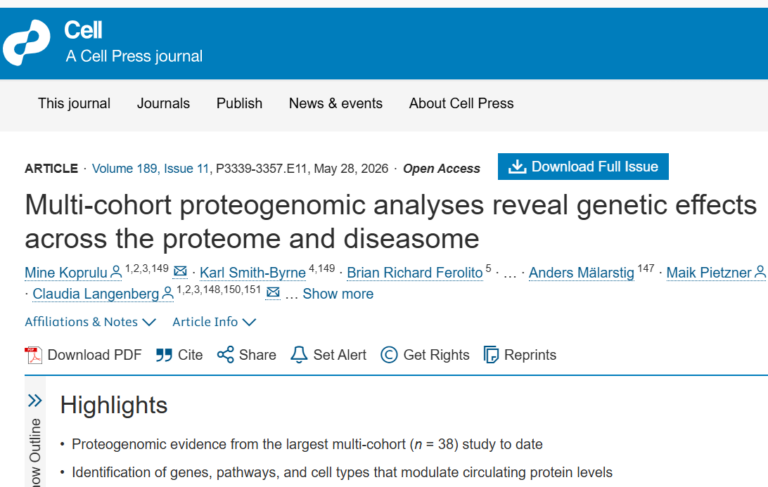
Multi-cohort proteogenomic analyses reveal genetic effects across the proteome and diseasome
Highlights Proteogenomic evidence from the largest multi-cohort (n = 38) study to datе Identification of genes, pathways, and cell types that modulate circulating protein levels Circulating protein signatures with genetic evidence that inform drug repurposing Proteogenomic insights into mechanisms underlying diverse diseases
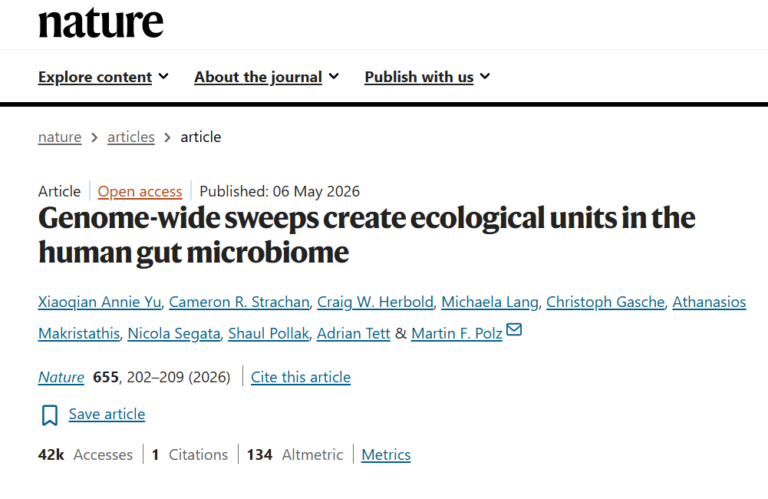
Genome-wide sweeps create ecological units in the human gut microbiome
Here we show that genome-wide selective sweeps are a pervasive mechanism that differentiates bacteria in the microbiome. This mechanism leads to population structures akin to global epidemics across geographically and ethnically diverse human populations. Such sweeps arise when an adaptation allows a clone to outcompete others in its niche followed by rediversification, and they manifest as clusters of closely related genomes on long branches in phylogenetic trees.
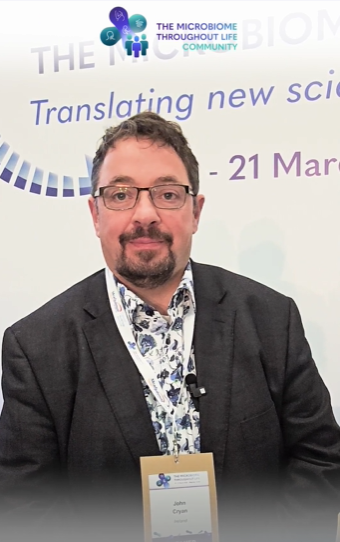
Interview – John Cryan
Don’t miss the interview with our MBTL 2026 Keynote Speaker, Prof. John F. Cryan from University College Cork, Ireland, as he shares his insights and perspectives on the latest developments in his field.
Metagenomics, Microbiome Transmission, Gut Microbiome in Health & Disease | Nicola Segata
A deep dive into the enigmatic world of sleep, exploring its biological functions, evolutionary origins, and diverse manifestations across different species.
New gut science: 3 bacteria that keep your heart healthy | Prof. Tim Spector & Prof. Nicola Segata
There’s an unseen world within you, teeming with trillions of tiny inhabitants. Your gut microbiome contains millions of bugs. Some bugs are beneficial, while others wreak havoc, quietly disrupting your health. What if these disruptive "invasive species" are silently driving the rise of cardiometabolic diseases, the leading cause of illness in Western countries?
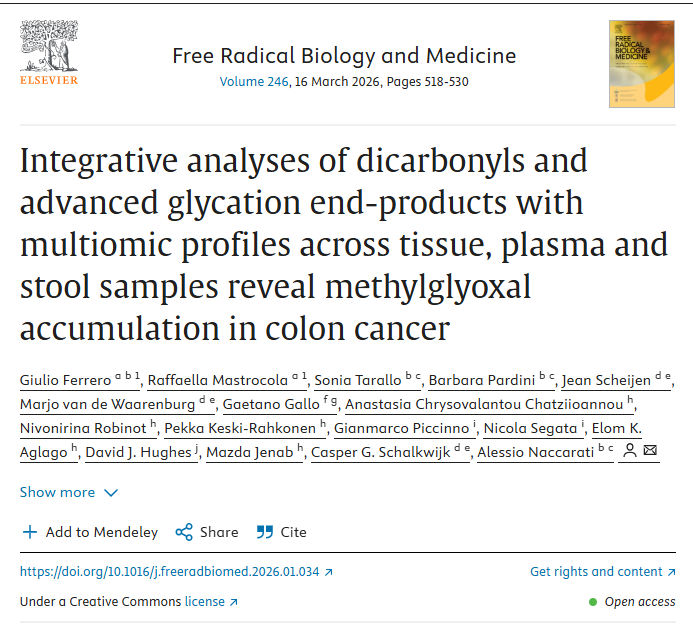
Integrative analyses of dicarbonyls and advanced glycation end-products with multiomic profiles across tissue, plasma and stool samples reveal methylglyoxal accumulation in colon cancer
This pilot integrative analysis highlighted novel coherent associations among tissue, circulating, and stool levels of MGO-derived AGEs, the expression of AGE-related metabolic pathways, and microbial signatures in colon cancer. If confirmed in larger studies, these candidate molecular and microbial interactions may provide novel insights into the dicarbonyl stress involvement in tumor biology.
Learn with the Community
Articles
Read practical articles, updates, and insights on the role of the microbiome throughout life.
Learn moreInterviews
Discover interviews offering personal perspectives, clinical experience, and key takeaways from the field.
Learn morePodcasts
Listen to conversations with experts discussing microbiome science, clinical perspectives, and emerging research.
Learn moreVideos
Explore educational videos designed to make complex microbiome topics clear and accessible.
Learn moreWebcasts
Watch expert-led sessions that bring microbiome science closer to clinical practice.
Learn moreWebinars
Join focused educational webinars with specialists sharing the latest evidence and practical insights.
Learn more
Join the Community
Create your free account to unlock every webinar, recording, podcast and interview, new content every month.
Subscribe